Roots in a drain produce one of the most confident wrong conclusions in domestic plumbing: find the nearest large tree, blame it, and start talking about removal.
The blocks here are large, they were laid out over land that had been orchard, and the planting on them has had fifty years and more to establish over drainage installed when the estates went in. So roots genuinely are a recurring cause here. What is worth understanding is that they are almost never the first cause, and that taking the tree out will not, by itself, repair anything.
Roots do not break into sound pipe. They find moisture escaping from a joint or a crack that was already failing, then enlarge the opening as they thicken. So the root is a symptom of a defect as well as a cause of a blockage. Clearing them restores flow for a season; repairing the defect is what actually stops it. Removing the tree does neither.
- Get the line cleared and then camera inspected in the same visit
- Ask to see where the roots are entering, not just that they were there
- Fix the entry point, by relining or a section repair
- Expect a recurrence within a year or two if only the roots were cut
- Council is the authority on removing or pruning any tree
On this page
1. Roots do not attack pipes. They follow water
A root system grows toward moisture and nutrients. It does not sense a pipe and it has no capacity to break into a sound one. Modern drainage and even most older drainage is perfectly capable of running for decades alongside a mature tree, and a great deal of it does.
What changes that is a defect. A joint that has opened slightly, a crack, a poorly sealed junction: any of these releases a small amount of moisture and, in a sewer line, warm and nutrient-rich moisture at that. Roots find it, fine root hairs enter through the opening, and once inside they are in the best growing conditions available anywhere on the property.
Then they thicken. A root that entered through a hairline gap becomes a root that holds the gap open, and eventually one that can displace the pipe around it. That is the sequence, and the order of it is the reason the tree is the wrong thing to blame first.
Which is why a line that has had roots once will have them again in the same place unless the entry point itself is repaired.
2. Why this comes up so often on these blocks
Three things stack up on a Castle Hill block and each of them is ordinary on its own.
- The land was orchard. These estates were laid out over the old orchard holdings, on ground that had been growing things deliberately for a long time before anybody built on it.
- The blocks are large. Seven to nine hundred square metres is room for mature trees, and gardens of that size get planted.
- The drainage went in with the estate. Which means the planting and the pipework have been sharing the same ground for around fifty years, and the trees have had all of that time to find anything that leaks.
Add the long runs that come with a large block, thirty metres or more from house to boundary in many cases, and there is simply more pipe passing through more planted ground than there would be anywhere with smaller lots.
3. What cutting the roots out actually achieves
Mechanically cutting roots out of a line works. Flow is restored, the fixtures behave again, and the problem is solved for a while. It is a legitimate and often necessary first step, particularly when something is actively backing up.
What it does not do is remove the reason the roots were there. The entry point is still open, the moisture is still escaping, and the root system is still alive and still knows where the water is. Regrowth into a cleared line is normal rather than a sign the work was done badly.
That is why the useful thing is what happens immediately after clearing: a camera down the cleared line, showing where the roots were entering and what the pipe looks like at that point. Without that, the next call-out is scheduled and nobody knows it yet.
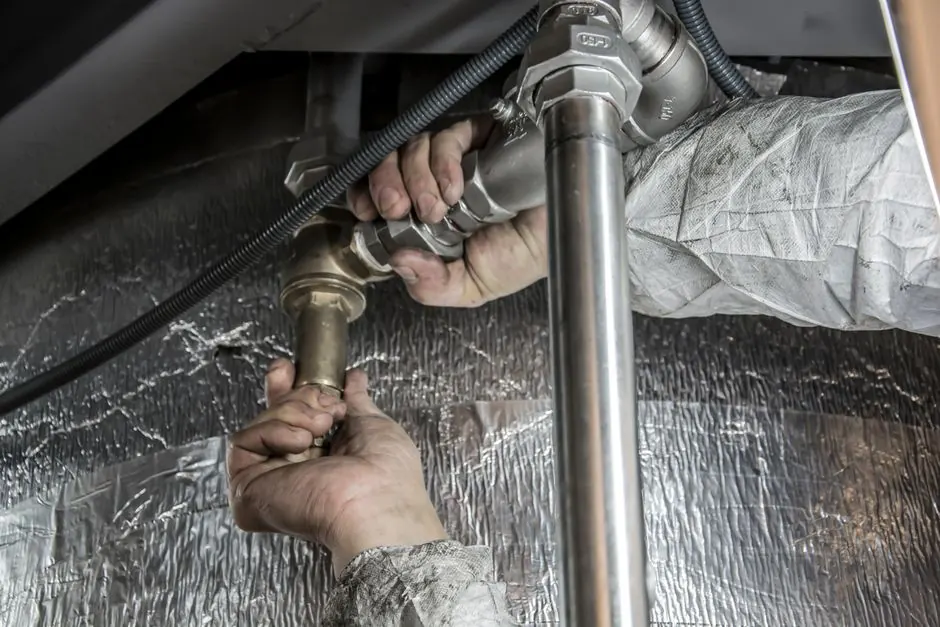
4. Repairing the entry point
Once the footage shows where roots are getting in, the fix is to close that opening. Relining is usually the answer: a new pipe wall formed inside the existing one, with no joints for a root to find, and no excavation across a large garden to reach it.
On these blocks that matters twice over. The run is long, so the alternative may involve a significant trench. And the ground it crosses is exactly the established garden that everybody wants to keep, which is a large part of why the property was attractive in the first place.
Where the pipe has been displaced rather than merely cracked, a section repair may be needed before or instead of a liner. That is a question the camera answers, and it is the reason to insist on seeing the footage before agreeing to a method.
Roots back again in the same spot?
Then the entry point was never repaired. We will find it and show you.
5. Why felling the tree is the wrong first move
Removing a mature tree is expensive, irreversible, and on a block like this it changes the garden permanently. It is worth being sure it will actually solve the problem before doing it, and frequently it will not.
The defect in the pipe remains after the tree is gone. If the opening is still there, another root system will eventually find it, and on a well-planted block there is rarely only one candidate. Meanwhile the repair that would have solved it costs the same as it did before.
There is also a permissions question. Trees are regulated, and what may be pruned or removed depends on the rules that apply to your property. Council is the authority on that, not us and not the person quoting to take it down.
The sensible order is: clear the line, film it, repair the entry point, and then decide about the tree as a separate question on its own merits.
6. Living with a mature garden and buried drainage
- Know roughly where the run goes, so planting decisions are informed ones
- Treat a slow drain as early information rather than an inconvenience
- Have the line filmed once, so you have a baseline rather than a memory
- Plant new large trees with the drainage route in mind, which costs nothing at planting time and a great deal later
- If the same fixture is slow every spring, that is a pattern worth investigating rather than a season worth waiting out
None of that means choosing between a garden and working drainage. Plenty of these properties have both, and have had for decades. It means knowing where one is before making decisions about the other.
- Roots cannot break into sound pipe. They enter through a defect that was already there.
- These blocks are large, were laid over orchard land, and have fifty years of planting.
- Clearing roots restores flow for a season. Repairing the entry point is what stops it.
- Ask for camera footage straight after clearing, showing where the roots are getting in.
- Relining closes the entry without trenching an established garden.
- Do not fell the tree first. The defect outlives it, and Council is the authority on removal.
Roots on a mature block FAQs
Will removing the tree fix the blockage?
Almost never on its own. The opening in the pipe that let the roots in is still there after the tree is gone, and on a well-planted block another root system will find it. Repair the pipe, then decide about the tree separately.
How often will roots come back?
Into a cleared line with the entry point still open, commonly within a year or two, and sometimes sooner in a growing season. That is not a sign of poor workmanship, it is what clearing alone does.
Can you tell which tree it is?
Sometimes, from where the entry point sits along the run, and sometimes not, because root systems extend a long way and overlap. It matters less than people expect, because the fix is at the pipe rather than at the tree.
Is relining suitable if roots have been in there for years?
Frequently yes, provided the pipe still has its shape. A liner leaves no joint for a root to re-enter through. Where the pipe has been displaced or has collapsed, a section repair may be needed first, and the camera decides that.
Are chemical root treatments worth it?
They can slow regrowth. They do not repair the defect, they do not remove what is already established, and using them as a substitute for a repair simply spreads the same problem over more years. As a holding measure with a repair planned, that is a different matter.
Can I remove a tree that is affecting my drains?
That depends on the rules applying to your property, and Council is the authority on it. It is worth asking them before committing to anything, and worth confirming the tree is actually the problem before asking at all.